Three contractors quote the same 12-drop office. One says $2,400, another $3,900, and the third $5,600. Nobody is lying, but the quotes cover three different jobs.
After 17 years of providing network cabling services in Los Angeles, we've seen this scenario hundreds of times. This guide shows what the numbers include, what they leave out, and how to compare bids with confidence.
The short answer:standard Cat6 in Los Angeles typically run 150-350 per drop, and Cat6a 200-450 per drop , installed, terminated, and tested. Nationally, commercial Cat6 pricing runs 125-400 per drop. In LA, labor costs, older buildings, and difficult access push small and complicated jobs toward the top of that range.
What Is a "Drop," and What Should It Include?
A drop is one complete cable run from your network rack to a wall jack, desk, Wi-Fi access point, or camera. Most installers price this way, so it's your best unit for comparing quotes.
A complete drop should include:
-
Cable and the pull from rack to outlet
-
Keystone jack and faceplate
-
Termination at both ends
-
Patch cord and labeling
-
Performance testing
If any of these are missing from a quote, the price isn't comparable to one that includes them. That's the first reason bids differ so much.
Average Network Cabling Prices in Los Angeles
|
Project type |
Typical size |
Planning range |
|
One drop added to a finished wall |
1 drop |
$200-$400 |
|
Home retrofit |
6–12 drops |
$1,500-$3,500 |
|
Small office, Cat6 |
10–15 drops |
$3,500-$6,500 |
|
25-person office with rack and certification |
25–35 drops |
$6,000-$15,000 |
|
Dental or medical practice, Cat6a |
~20 drops |
$7,000-$14,000 |
Per-drop prices above cover cabling only. The project ranges in this table also include rack, patch panels, and testing, so they come out higher per drop.
These ranges assume reasonable access. Hard ceilings, long runs, and conduit raise them, and only a site visit gives you a firm number.
Why does a single drop cost more than the average? Small jobs carry minimum labor charges. The technician's trip, setup, and wall repair cost the same whether you add one jack or five.
Cat 6 Cabling Cost: Why the Cable Is the Cheap Part
It's tempting to look up the Cat 6 cabling cost per foot, multiply by your distance, and call it done. That math will mislead you. In one 2026 pricing breakdown, the cable itself is about $25 per drop, while labor to pull, terminate, and test it can be $150 or more.
Labor drives the bill, which creates two useful rules:
-
Scale lowers the unit price. The same source shows the price per drop falling as a project grows, from the top of the range on small jobs to about $175 on very large ones. If you'll need more connections next year, install them now.
-
Access beats everything. Open ceilings and walls make a cheap job. Fishing cable through plaster and firestops makes an expensive one.
For homeowners, Monoprice's installation cost guide puts typical Cat6 installs at $125-$300 per drop, with 10 to 15 drops in a house running about $1,500-$4,000.
Why Three Quotes Can Differ by More Than 2x (A Real-World Example)
Here's a simplified example of how the same 12-drop office can produce three very different bids:
|
Quote A |
Quote B |
Quote C |
|
|
Cable |
Cat6 |
Cat6 |
Cat6a plenum |
|
Testing and certification |
Not included |
Included |
Included |
|
Rack and patch panel |
Not included |
Included |
Included |
|
Labeled as-built documentation |
No |
Yes |
Yes |
|
After-hours work |
No |
No |
Yes |
|
Total |
$2,400 |
$3,900 |
$5,600 |
Quote A isn't a bargain. It's a partial scope. If you add the missing items later, it can cost more than Quote B. Quote C isn't "overpriced" either: Cat6a plenum cable and after-hours work can push the cost per drop above the usual Cat6a range.
The takeaway: compare scopes before you compare totals.
Cat6 vs. Cat6a: Is the Upgrade Worth It?
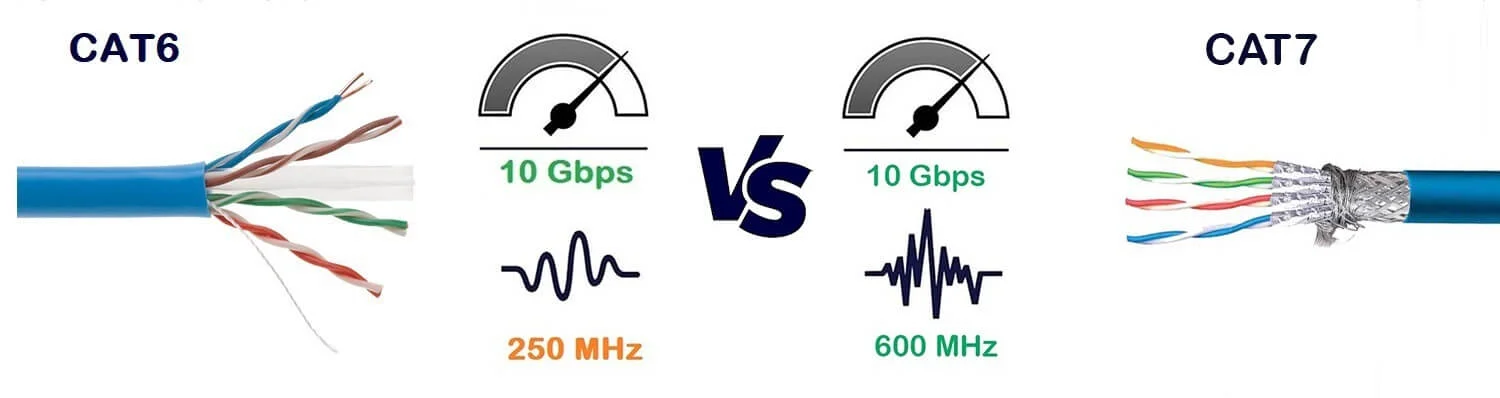
Cat6a typically adds around $50-$100 per drop over Cat6. Here's what that buys:
-
Full 10 Gbps at 100 meters. Cat6 supports 10 Gbps only on shorter runs, around 55 meters, while Cat6a holds it across the full channel, as explained in this guide to TIA-568 cabling standards.
-
Better PoE and Wi-Fi 7 headroom. Modern access points need multi-gigabit backhaul, and PoE++ can deliver up to 90 watts per port. This commercial cabling comparison notes that Cat6a handles heat in bundled runs better.
-
A longer useful life. The same source puts a quality Cat6a installation at 15 to 20 years.
The tradeoff is that Cat6a is thicker and stiffer. It needs wider bends and more careful termination, which is part of why it costs more.
Our recommendation: for a home or small office on gigabit, Cat6 is a smart, economical choice. For medical offices, studios, new commercial builds, or anything with Wi-Fi 7 and many cameras, go straight to Cat6a. Ignore "Cat6e" labels. That isn't an official category, and Cat6a is the real next step.
See what we install on our data wiring and installation page.
Network Cable Installation Cost: 7 Factors That Move Your Quote
These seven factors explain most of the gap between bids on network cable installation cost:
-
Access. Open ceilings are cheap, finished plaster is not.
-
Ceiling height and building type. Warehouses and tall spaces need lifts and more crew time.
-
Plenum-rated cable. Many commercial spaces require it, and it costs more than standard cable.
-
Number of drops. More drops lower the price per drop.
-
Cable category. Cat6, Cat6a, and fiber each carry different material and labor costs.
-
Testing and documentation. Certification adds cost, but it proves every run performs.
-
Schedule. After-hours or phased work to keep your business running costs more.
Ask what's outside the per-drop price. Racks, patch panels, switches, PoE equipment, conduit, and permits are often separate line items. A quote that leaves them out only looks cheaper.
Homes vs. Offices: What Changes in Los Angeles
Homes. The big question is whether the walls are open. Pre-wiring during construction or a major remodel is the cheapest route. Retrofits in older LA homes, with plaster walls, tight attics, and crawlspaces, take more skill and time.
Offices and commercial spaces. Costs scale with drop count and scope. Historic buildings in Hollywood and Downtown, multi-tenant towers, and landlord rules add complexity that experienced local crews plan for in advance, before it becomes a change order.
If your project includes cameras or AV, our low voltage wiring and cabling services cover structured cabling, office setups, and building-wide installations.
Why Licensed Contractors Cost More (and Why It Pays Off)
In California, low-voltage work of $1,000 or more in combined labor and materials generally requires a contractor license. Data cabling falls under the CSLB's C-7 Low Voltage Systems classification, which covers energy-limited systems up to 91 volts. Fire alarm systems are excluded.
A licensed contractor gives you:
-
A bonded business behind the work
-
Familiarity with local code and inspections
-
Test results and documentation you can hand to IT or a landlord
-
Recourse if something goes wrong
You can verify any license on the CSLB website in a minute, and we encourage every client to check ours. DIGICO holds both C-7 and C-10 licenses. For more detail, read why to hire certified data wiring contractors in Los Angeles.
How to Choose a Cabling Contractor in Los Angeles
The cheapest bid is rarely the best value. When you compare providers of network cabling services in Los Angeles, look for:
-
An active CSLB license you've verified yourself
-
A site walk before the quote
-
An itemized proposal with cable category, drop count, rack, testing, and labor
-
Certification results delivered at handoff
-
A written workmanship warranty
-
Local references from similar projects
Questions worth asking: Is testing included? What cable rating will you use? Who pulls permits? What happens if a run fails certification? A confident contractor answers these without hesitation. Our guide to Ethernet and voice wiring in Los Angeles shows what a full-service install looks like.
How to Get an Accurate Quote and Keep Costs in Check
Before you call, gather a floor plan or sketch, the number of workstations, printers, phones, access points, and cameras, your growth plans, and any times when work can't happen. Then:
-
Bundle the work. Data, Wi-Fi, cameras, and AV installed together save repeat visits. We also handle fiber optic cabling and audio-video wiring.
-
Add spare drops. Extra runs during the initial install cost far less than a return visit.
-
Pick your cable category once. Changing mid-project is expensive.
-
Compare line by line. Match scopes, not totals.
Get a Free Network Cabling Quote in Los Angeles
A clean, certified install keeps your Wi-Fi fast, cameras reliable, and team productive for a decade or more. The cost of doing it right is small next to the cost of redoing it.
At DIGICO, we'll walk your space, listen to what you need, and send a clear written estimate with no surprises.
FAQ
How much does it cost to run Ethernet cable in a house in Los Angeles?
A single drop in a finished wall usually runs $200-$400 because of minimum labor. A retrofit with 6 to 12 drops commonly lands between $1,500 and $3,500, depending on wall construction and attic access. New construction costs less per drop.
How much does it cost to cable a 25-person office?
Most fall between $6,000 and $15,000 for a complete installation including rack, patch panels, testing, and certification. Difficult ceilings and conduit raise the total.
Is Cat6a worth it over Cat6?
For most new commercial projects, yes. It costs about $50-$100 more per drop, supports 10 Gbps at full distance, and handles PoE better. For short gigabit runs, Cat6 is still a great choice.
How long does a cabling project take?
A small home or office job often takes a day or two. Larger or multi-floor projects take longer depending on drop count, access, and scheduling. We'll give you a realistic timeline after the site visit.
Do I need a licensed contractor in California?
Generally yes, for low-voltage work of $1,000 or more, or any job that needs a permit or hired workers. Employees of a licensed contractor don't need personal licenses, but the company does. Check any contractor on the CSLB site.