Most businesses don’t think about their wiring until something stops working. The Internet slows down, calls drop, security systems glitch, and suddenly productivity suffers. Behind all of this lies one critical foundation: commercial network cabling. Many companies invest heavily in devices, software, and cloud platforms, yet overlook the infrastructure that connects it all. Even the most advanced technology depends on reliable cabling to function properly. When that foundation is weak, everything built on top of it becomes unstable.
Daily operations – from processing transactions to running security cameras – require consistent, high-quality connectivity. Poor low voltage cable installation may not cause immediate problems, but over time it manifests as slow systems, intermittent outages, and network wiring issues that disrupt employees and frustrate customers alike. Businesses in competitive markets like Los Angeles often face tangible consequences from even minor disruptions, including lost revenue and reputational damage. The good news is these problems are preventable. A carefully planned scalable network infrastructure ensures smooth operations and minimizes technical headaches, both now and in the future.
What Is Commercial Low Voltage Wiring?
At the heart of every modern business network lies commercial low voltage wiring, the backbone connecting data, communication, and security systems. It powers everything from internet access and VoIP phones to security cameras and conference room displays. Unlike standard electrical wiring, which delivers high-voltage power to outlets, low voltage wiring carries signals for communication and data transfer. Mistakes here don’t trip breakers; they create subtle but persistent problems like interference, slow speeds, and recurring network wiring issues.
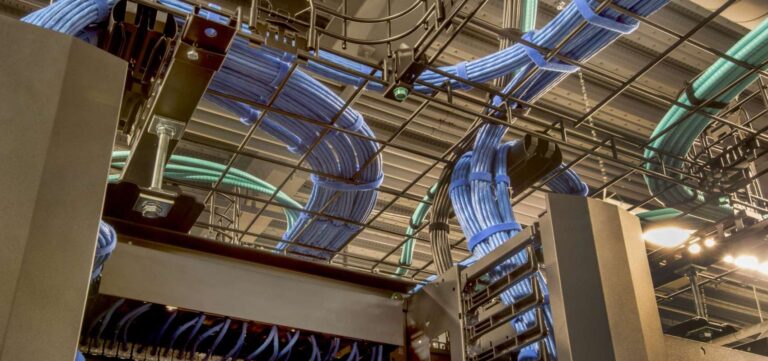
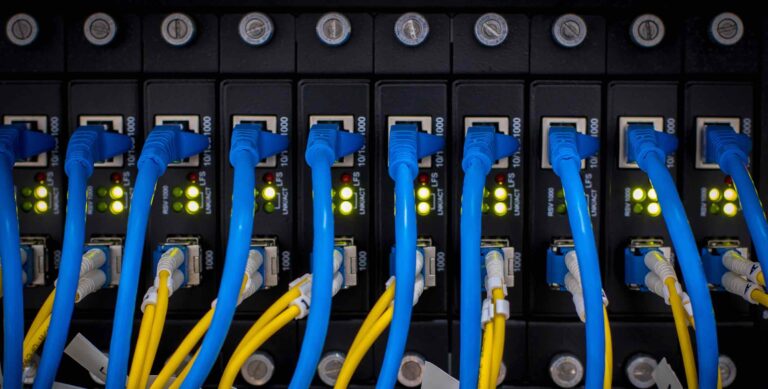
Key components include Ethernet cabling, which connects computers and devices; fiber optics, enabling high-speed, large-scale data transfer; and structured cabling systems that organize and standardize network layouts. When installed correctly, these elements support a scalable network infrastructure capable of adapting to business growth, additional devices, and future technology upgrades. Businesses rely on this infrastructure not just to operate today but to remain fast, stable, and adaptable for years.
Why Commercial Network Cabling Matters More Than Ever
In today’s business environment, cloud platforms, VoIP phone systems, smart devices, and modern security solutions are the norm. All of these depend on well-designed commercial network cabling. As businesses increasingly rely on cloud tools and real-time data, fast, reliable connectivity is no longer optional – it’s critical.
Properly installed cabling directly affects data speed, network reliability, and security. Clean, structured networks ensure minimal latency and fewer interruptions, keeping employees productive and customers satisfied. Conversely, poor infrastructure leads to network wiring issues that can cascade into slower operations, dropped calls, and system instability. According to Network World, organizations that prioritize structured cabling reduce downtime and maintain higher performance across all systems.
Common Low Voltage Cable Installation Mistakes
Even premium devices fail when installation is poor. Common errors include messy cable management, using the wrong cable types, failing to plan for future expansion, ignoring TIA/EIA standards, and improper routing or labeling. While these mistakes might not cause immediate failure, over time they result in signal interference, longer outages, and costly troubleshooting.
Businesses often spend thousands repeatedly addressing problems that could have been prevented with quality low voltage cable installation. Investing in proper installation from the start creates a reliable, scalable network infrastructure that reduces recurring costs and operational headaches.
Signs of Network Wiring Issues
Network problems often appear gradually. Slow internet speeds, frequent disconnections, overheating devices, and inconsistent performance across departments can all indicate underlying wiring issues. Left unaddressed, these small issues escalate into significant productivity losses, higher IT costs, and potential system failures.
Many companies try to fix surface-level symptoms – upgrading hardware or switching providers – without realizing the true cause is outdated or poorly installed cabling. A structured, professionally installed network eliminates these risks and provides consistent, long-term performance.
The Real Cost of Poor Low Voltage Wiring
Cutting corners on cabling can create a cycle of recurring problems. Repair and reinstallation costs in the U.S. range from $10,000 to over $100,000 for commercial buildings, depending on size and complexity. Downtime can cost mid-to-large businesses $5,600 to $9,000 per minute (Gartner), while even small businesses risk $1,000+ per hour. Beyond direct financial losses, slow networks erode employee productivity, damage equipment through interference or overheating, and increase security risks. Poor cabling creates ongoing expenses rather than a one-time problem.
Case Example: When Bad Cabling Disrupted Operations
Consider a mid-sized Los Angeles office with 150 employees. A rushed installation used cheaper cables, skipped labeling, and ignored proper routing. Initial problems seemed minor: slow file transfers and occasional dropped calls. Within months, network issues became widespread, culminating in a critical switch overheating and a full-day outage. The financial and operational impact was severe: $15,000 in lost revenue, $18,000 in repairs, hundreds of hours in lost productivity, and diminished customer confidence.
With professional planning, adherence to standards, and careful installation, this scenario could have been entirely avoided. Proper commercial low voltage wiring is not just technical – it’s a preventative business strategy.
Building a Scalable Network Infrastructure
A scalable network infrastructure is designed to grow with a business. It allows for the seamless addition of devices, expansion of office or warehouse spaces, and integration of new technologies without costly rewiring. High-quality cabling ensures long-term ROI, operational stability, and flexibility for growth. Planning is key: businesses must anticipate employee growth, device density, and security needs. By combining strategic planning with expert installation, a network remains reliable, adaptable, and ready for future challenges.
Professional vs. Poor Low Voltage Wiring
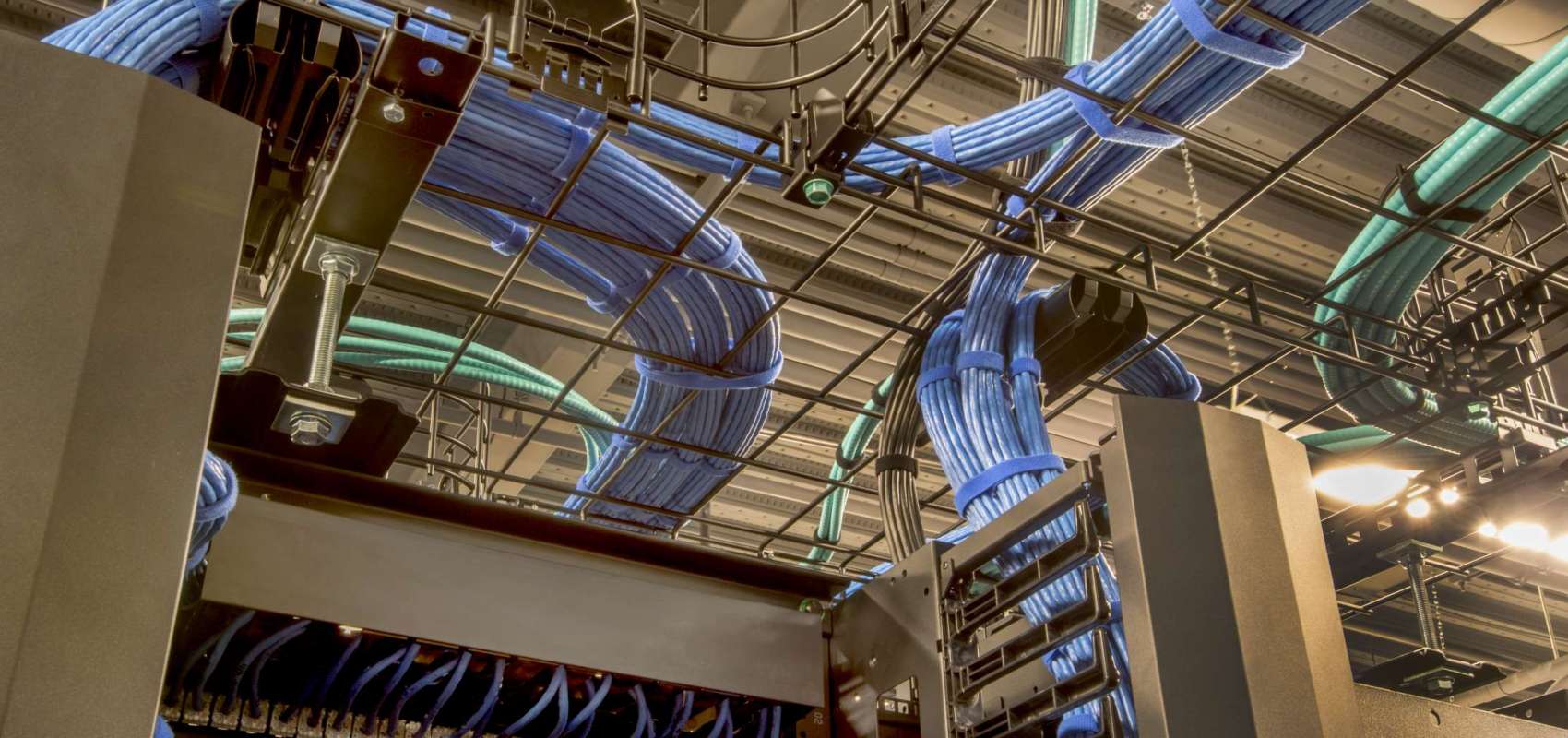
The difference between professional installation and substandard work can make or break operations. Professionally installed cabling delivers stable, high-speed connections, supports scalability, requires minimal maintenance, and reduces costs over time. Poorly installed networks are slow, inconsistent, difficult to maintain, and expensive in the long run. Investing in quality installation reduces network wiring issues and strengthens the foundation for a scalable network infrastructure.
Best Practices for Commercial Low Voltage Wiring
To ensure long-term reliability, businesses should hire certified contractors, adhere to industry standards (TIA/EIA), use high-quality materials, conduct testing and certification, and implement ongoing maintenance. Following these practices guarantees stable performance, minimizes network wiring issues, and preserves the integrity of a scalable infrastructure. According to Cabling Installation & Maintenance, organizations that follow industry standards experience fewer outages and higher efficiency.
Why Quality Installation Is a Long-Term Investment
Professional commercial network cabling prevents costly failures, enhances performance, supports growth, and reduces IT headaches. A network installed with care delivers faster connectivity, minimizes troubleshooting, and adapts to future technology needs. High-quality installation is more than an upfront expense – it’s an investment in efficiency, security, and operational continuity.
Strong Networks Start with Strong Wiring
A reliable network is no longer optional. Poor low voltage cable installation can quietly undermine operations, leading to downtime, lost revenue, and frustrated employees. Proper planning, industry-standard practices, and professional installation ensure a stable, secure, and scalable network infrastructure. Schedule a network consultation, request a professional site audit, or hire certified contractors to protect operations and maximize long-term performance. Strong networks start with strong wiring – take action today to safeguard your business tomorrow.
FAQ
What is commercial low voltage wiring?
It’s the cabling for data, voice, security, and AV systems. Proper installation ensures reliable connectivity, reduces network wiring issues, and supports a scalable network infrastructure.
How do I know if my network cabling is failing?
Look for slow internet, dropped calls, inconsistent performance, or overheating devices. Early detection prevents costly downtime and repairs.
Can low voltage cable installation affect business growth?
Yes. Poor installation limits scalability. Correct low voltage cable installation supports growth and easy upgrades without major rewiring.
How much does professional cabling cost in the U.S.?
Rework can range $10,000-$100,000; downtime can cost $5,600-$9,000 per minute. Upfront investment is cheaper long-term.
Best practices for commercial low voltage wiring?
Hire certified contractors, follow TIA/EIA standards, use quality materials, test all cables, and maintain regularly. This ensures reliability and a scalable network infrastructure.
Why is proper installation a long-term investment?
It prevents failures, improves performance, reduces IT issues, and supports business growth. Reliable commercial network cabling saves money and downtime.
Can upgrading cabling improve security?
Yes. Structured cabling reduces vulnerabilities, prevents interference, and strengthens network security.