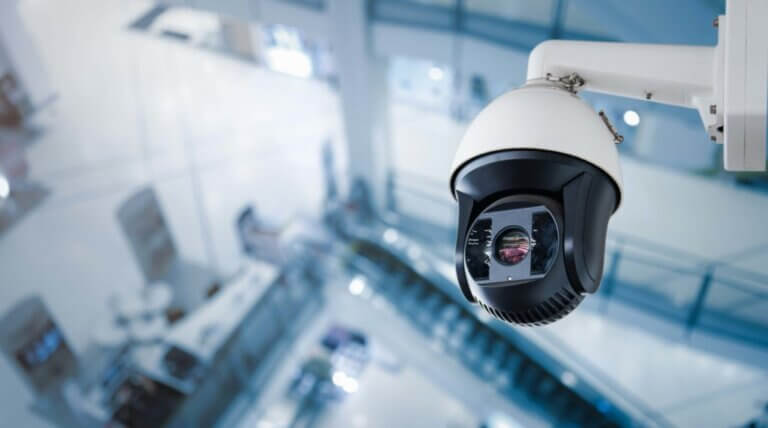
A surveillance camera mounted to the wall is only as good as the wiring behind it. And that wiring – more often than not – is where security systems fail. Not in the camera. Not in the recorder. In the cable run that was done too fast, terminated too loosely, or routed in a way that was never going to hold up.
Low voltage security wiring is a discipline that sits at the intersection of electrical knowledge, networking fundamentals, and physical infrastructure. Get it right and your system delivers clear footage, reliable uptime, and years of trouble-free operation. Get it wrong and you’re looking at dropped cameras, degraded image quality, interference artifacts, and a security system that gives you false confidence at exactly the moment you need real protection.
This guide covers what professional security wiring actually involves, why the installation quality matters as much as the equipment itself, and what Los Angeles property owners and businesses need to know before hiring a contractor.
What Is Low Voltage Security Wiring?
“Low voltage” refers to electrical systems operating below 50 volts – a category that includes surveillance cameras, access control systems, intercoms, alarm sensors, audio/video distribution, and data networking. Unlike line voltage (the 120V or 240V power running your outlets and appliances), low voltage wiring is governed by different codes, requires different materials, and demands a different set of installation skills.
In the context of security systems, low voltage wiring typically encompasses:
- Coaxial cable (RG59, RG6) for analog and HD-over-coax (HDCVI, HDTVI, AHD) camera systems
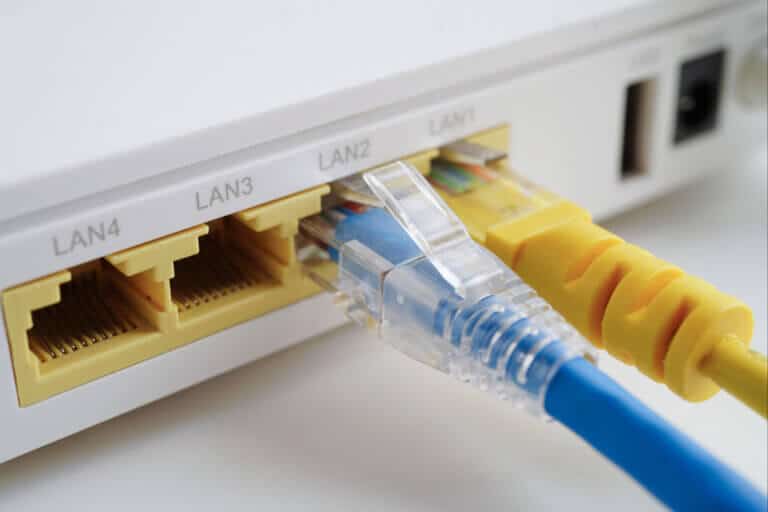
- Cat5e / Cat6 structured cabling for IP cameras powered over Ethernet (PoE)
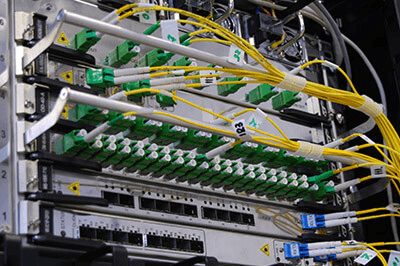
- Fiber-optic cable for long-distance runs and high-bandwidth applications
- 18/2 and 22/4 wire for door contacts, motion sensors, and alarm system components
- Power over Ethernet (PoE) infrastructure delivering both data and power to IP cameras over a single Cat6 run
Each cable type has specific performance characteristics, bending radius requirements, and termination standards. Mixing them up, substituting inferior materials, or ignoring installation tolerances creates problems that can take months to surface – usually when you need the footage most.
Why Installation Quality Determines System Performance
The security industry has a persistent myth: that the camera is the product and the wiring is just a commodity. Experienced installers know the opposite is true. The camera is replaceable. The infrastructure behind the walls is what you live with for the next decade.
Signal Integrity Over Distance
Every cable run introduces signal loss. For analog systems, excessive cable length or poor-quality coax results in a degraded, noisy image. For IP cameras over Cat6, runs exceeding 328 feet (100 meters) without a repeater or switch will drop the connection entirely. A professional installer calculates run distances, accounts for every connector and junction in the signal path, and specs the right cable grade for each application.
Proper Termination
A poorly crimped BNC connector or a Cat6 jack terminated out of spec is a time bomb. It may work fine on day one, then fail intermittently six months later when temperature changes cause the connection to expand and contract. Professional termination means using the correct tools, following manufacturer specifications, and testing every connection with a cable certifier – not just plugging it in and hoping for the best.
Routing and Physical Protection
Cable that runs through areas of mechanical stress – near HVAC equipment, through areas with foot traffic, alongside high-voltage conduit – needs to be protected. Security cabling that shares pathways with line voltage wiring without proper separation is a code violation and a source of interference. A professional installer routes cables through appropriate pathways, uses conduit where required, and protects every run against physical damage.
Grounding and Electrical Noise
Ground loops are among the most frustrating problems in security systems – they produce a rolling bar or hum pattern in camera footage that’s maddeningly difficult to diagnose after the fact. They’re almost entirely preventable with correct grounding practice during installation. The same applies to electrical noise from fluorescent lighting, motor loads, and other interference sources common in commercial LA buildings.
IP vs. Analog: What It Means for Your Wiring Infrastructure
The choice between IP (network-based) and analog camera systems has significant implications for your wiring infrastructure. Understanding the difference helps you make an informed decision – and understand what your installer is proposing.
IP Camera Systems (PoE)
Modern IP cameras connect to your network via Cat6 cabling and receive power over the same cable through PoE (Power over Ethernet). This means a single Cat6 run per camera handles both data and power – a cleaner installation with fewer cable types. IP systems offer higher resolution, more flexible remote access, and easier scalability. The tradeoff is that your cabling infrastructure must meet data networking standards: properly terminated, tested to Cat6 spec, and routed within distance limits.
Analog and HD-over-Coax Systems
Traditional analog systems and their modern HD-over-coax successors (HDCVI, HDTVI, AHD) use RG59 or RG6 coaxial cable with a separate power run. These systems can transmit signal over longer distances than IP without repeaters, making them useful for large properties. They’re also generally more resilient in electrically noisy environments. The wiring requires proper coax installation technique: correct connector types, proper crimping, and attention to bend radius.
Fiber for Long-Distance and High-Security Runs
For camera runs exceeding 300+ feet, inter-building connections, or installations where electrical isolation is a priority (think: cameras on a metal fence subject to lightning), fiber-optic cabling is the professional solution. Fiber is immune to electromagnetic interference, supports virtually unlimited distance, and provides galvanic isolation that eliminates ground loop problems entirely. Fiber termination and splicing requires specialized tools and training – it is not a DIY-friendly medium.
Security Wiring Challenges Specific to Los Angeles Properties
Los Angeles presents a distinct set of installation challenges that any experienced local contractor will know well.
- Older construction with dense walls. Many commercial and residential properties in LA – particularly in Hollywood, Mid-City, and the older Westside neighborhoods – were built with solid masonry, concrete block, or thick stucco over wire lath. Running cable through these structures requires core drilling, proper firestopping where penetrations cross rated assemblies, and often more labor time than a quote based on square footage alone would suggest.
- Large properties with long cable runs. Estate properties in the hills, commercial warehouses in the Valley, and multi-building campuses throughout LA county frequently require runs that exceed the limits of standard Cat6. Planning these installations requires knowing when to deploy fiber, where to place intermediate switches, and how to maintain performance across hundreds of feet of cable.
- Heat and UV exposure. Outdoor cable runs in the LA climate face sustained high temperatures and intense UV radiation. Cable spec matters: outdoor-rated, UV-resistant jacket materials are required for any exposed run. Using indoor-rated cable outdoors will lead to jacket degradation and failure within a few years.
- Multi-tenant commercial buildings. Running cable in occupied commercial buildings requires coordination, minimal disruption to tenants, and neat, professional pathway routing. It also requires understanding the building’s existing conduit infrastructure and working within those constraints rather than against them.
What a Professional Security Wiring Installation Looks Like
A properly executed security wiring project follows a defined process from first visit to final handoff. Here is what that process should include:
1. Site Walk and System Design
Before a single foot of cable is pulled, a qualified contractor walks the property with you to understand your security goals, identify camera placement positions, map cable pathways, and locate the equipment room or NVR/DVR location. This is where run distances are calculated, cable types are specified, and the bill of materials is developed. Skipping this step and quoting from photos or a floor plan alone is a red flag.
2. Pathway Planning and Rough-In
Cable pathways are planned to minimize visual impact, protect cables from damage, and comply with code requirements regarding separation from line voltage. In commercial installations, this typically means running in existing conduit, adding new conduit where needed, or using cable tray. In residential work, it means thoughtful routing through walls, attic spaces, and concealed pathways.
3. Cable Pull
Cable is pulled carefully, respecting minimum bend radius, avoiding sharp edges and stress points, and maintaining separation from interference sources. Cable is labeled at both ends during the pull – not as an afterthought. Proper labeling is what makes a system maintainable five years after installation, when the original installer may no longer be on speed dial.
4. Termination and Testing
Every connection is terminated to spec and tested. For Cat6 runs, this means continuity testing and where appropriate, certification testing that verifies the link meets TIA-568 performance standards. For coax, it means checking impedance and signal level at the camera end. Problems found at this stage cost minutes to fix. The same problems discovered after the system is commissioned can cost hours of troubleshooting and rework.
5. Equipment Installation and System Commissioning
Cameras are mounted at the correct height and angle for their intended coverage zone. NVR or DVR is installed in a clean, ventilated location with proper cable management. The system is configured, cameras are named and oriented in the recording software, motion zones are set, and remote access is established and tested. You should leave the commissioning process knowing how to use your system – not just that it works.
Questions to Ask Before Hiring a Security Wiring Contractor
Not every contractor advertising security camera installation has the low voltage wiring expertise to back it up. These questions will help you separate qualified professionals from those who are figuring it out on your property:
- Do you perform a site walk before quoting, or are you quoting remotely?
- What cable types and grades do you use for IP versus analog systems?
- How do you handle runs that exceed 300 feet?
- Do you test and certify cable runs after installation?
- How do you route cables in finished spaces to minimize damage and visual impact?
- Can you handle the fiber runs if my property requires them?
- What does your labeling and documentation process look like?
If a contractor hesitates on any of these, take note. These are not trick questions – they are the baseline of professional practice.
Why DigiCo Wiring for Security Wiring in Los Angeles
DigiCo Wiring is a Los Angeles-based low voltage contractor with hands-on expertise across the full spectrum of security wiring infrastructure: IP camera systems, analog and HD-over-coax, fiber-optic runs, access control wiring, and integrated low voltage systems that combine security, data, and AV under one installation.
We serve residential and commercial clients throughout LA city and county – from single-camera additions to multi-camera overhauls of commercial properties. What we bring to every project:
- No job too small, no standard too low. A two-camera residential install gets the same professional cable work as a 40-camera warehouse system. We don’t cut corners based on project size.
- Full low voltage capability under one roof. Security wiring, Cat6 data cabling, fiber splicing and termination, Wi-Fi infrastructure, AV wiring – when your project touches multiple low voltage disciplines, we handle all of it without you managing multiple contractors.
- Deep familiarity with LA properties. We know the construction realities of this market: the concrete block commercial buildings, the older residential construction, the outdoor conditions that eat cheap cable. That knowledge shows in installations that hold up.
- A reputation built on real results. Every Google review we have is a 5-star rating. That’s not a marketing line – it’s a verifiable record you can check yourself. We’d encourage you to.
Protect What Matters – Starting With the Wiring
A security system is only as reliable as the infrastructure it runs on. Whether you’re installing cameras for the first time, upgrading an outdated system, or troubleshooting chronic performance problems on an existing installation, the wiring is where it starts – and where it either holds up or falls apart.
DigiCo Wiring provides free consultations and on-site assessments for security wiring projects throughout the Los Angeles area. We’ll walk your property, assess your current infrastructure if applicable, and give you a straightforward recommendation – no pressure, no guesswork.
Call us, text us, or reach out through the contact form at digicowiring.com. Let’s build a system you can actually count on.